Skin Concerns
Menopause Skin
Menopause brings hormonal shifts that can dramatically change your skin – increased dryness, loss of elasticity, dullness and sensitivity are all common. With the right treatment plan, you can restore comfort, resilience and confidence in your skin.
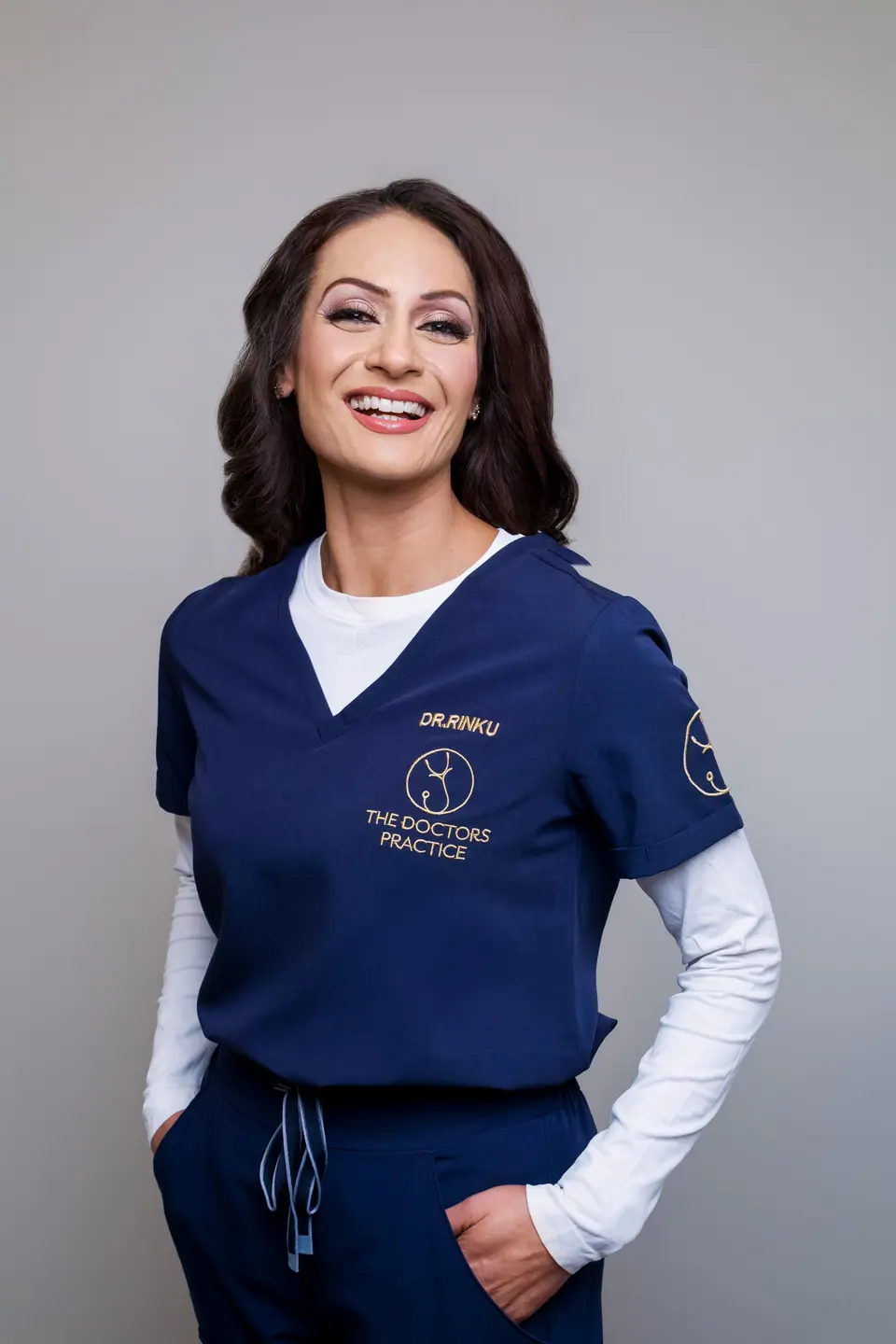
Care for menopausal skin with Dr Rinku Ratti
Menopausal skin is rarely just about the skin itself. Hormones, sleep, stress and overall wellbeing all play a role, which is why Dr Rinku Ratti takes a holistic, medical approach to treating menopausal skin changes.
Every consultation is designed to understand you as a whole – your skin concerns, medical history, lifestyle and long-term goals. Drawing on her expertise in menopause, hormonal wellbeing and aesthetic medicine, Dr Rinku creates personalised treatment plans that address the root causes of menopausal skin changes wherever possible.
Menopause skin treatments at our clinic
Treatments include skincare products, hormonal wellbeing guidance and specialist clinic procedures, and we advise and prescribe based on your individual assessment.
- Chemical peels – accelerate cell turnover, helping to counter the dullness and thinning often associated with menopausal skin.
- Cold Atmospheric Plasma – a non-invasive treatment that supports skin healing and can help calm the sensitivity many women experience during menopause.
- Skin boosters – deeply hydrate and improve skin quality, helping restore comfort and radiance to drier, less elastic skin.
- Mesotherapy – a customised blend of vitamins, antioxidants and amino acids delivered through micro-injections, supporting hydration and resilience.
- LED light therapy – supports collagen stimulation and skin healing, helping to address the loss of firmness common in menopausal skin.
- Custom skincare – medical-grade, prescription-strength skincare tailored to support barrier function, hydration and collagen production.
How menopause affects the skin
Menopausal skin changes occur as declining oestrogen levels reduce collagen production, slow cell turnover and impair the skin’s ability to retain moisture. This can lead to increased dryness, thinning, loss of elasticity, dullness and greater sensitivity.
These changes often begin during perimenopause and can continue for years afterwards, affecting the face, neck and décolletage in particular.
Questions patients ask
What types of menopausal skin treatment do you offer?
Why does menopause affect my skin so much?
Are skin boosters suitable for menopausal skin?
Can I combine treatments for menopausal skin?
How long does treatment take to show results?
Is treatment suitable for all stages of menopause?
Fee
 You’ll see Dr Rinku Ratti
GMC-registered GP · GMC 6077630
Not sure this is the right entry?
Our team will help you choose the most appropriate appointment.