Skin Concerns
Rosacea
Rosacea is a common long-term skin condition that can cause persistent facial redness, visible blood vessels, flushing and inflammatory spots. While rosacea cannot be permanently cured, the right treatment can successfully control symptoms, reduce flare-ups and help restore healthier, calmer skin.
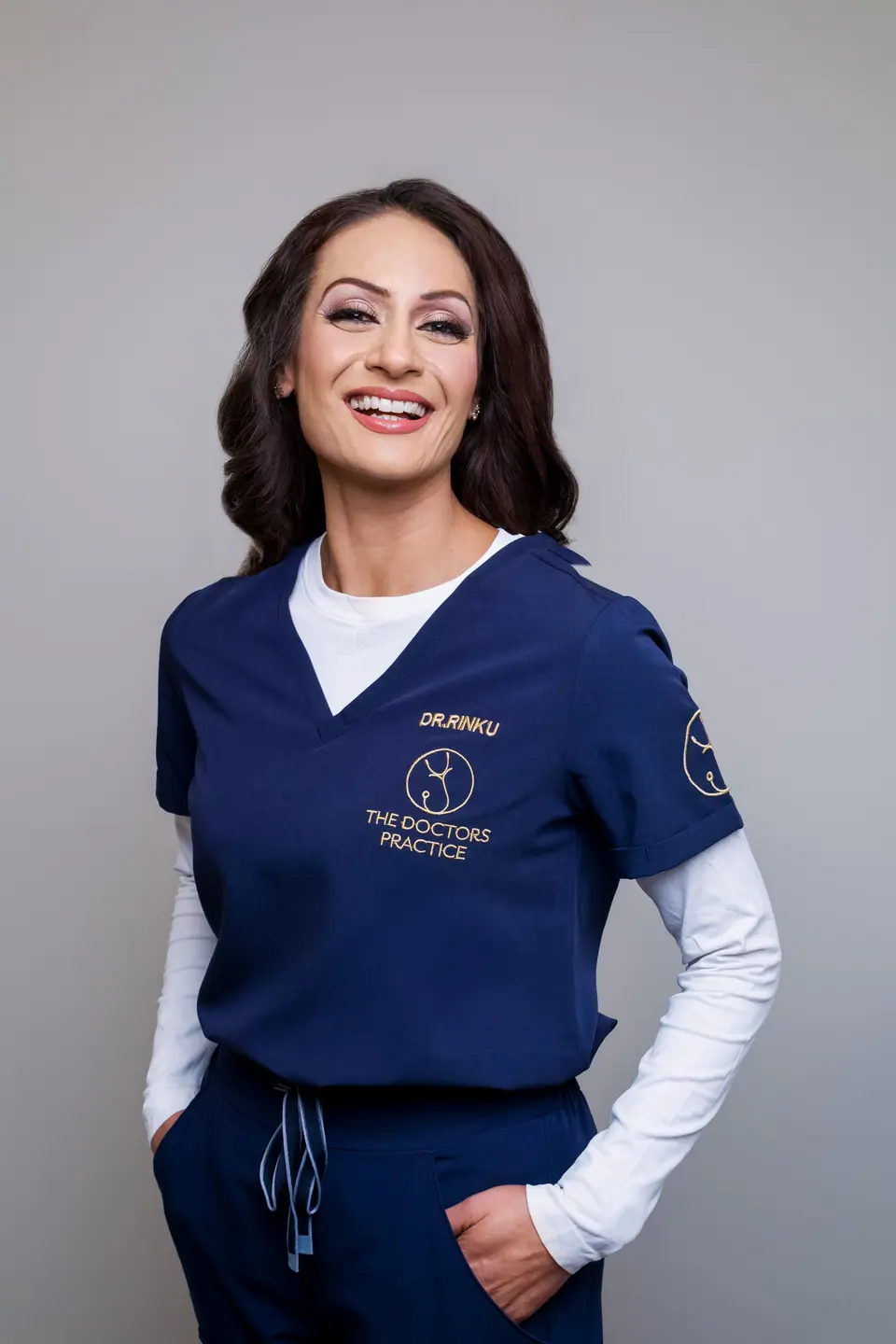
Rosacea management with Dr Rinku Ratti
Living with rosacea can be physically uncomfortable and emotionally challenging. Persistent redness, frequent flushing and unpredictable flare-ups can affect confidence and make everyday skincare difficult.
Dr Rinku understands that no two cases of rosacea are the same. During your consultation, she will take the time to understand your symptoms, identify potential triggers, review your medical history and assess your skin before recommending a personalised treatment programme.
Rather than simply treating visible redness, our approach focuses on calming inflammation, improving skin resilience and helping you better manage rosacea over the long term.
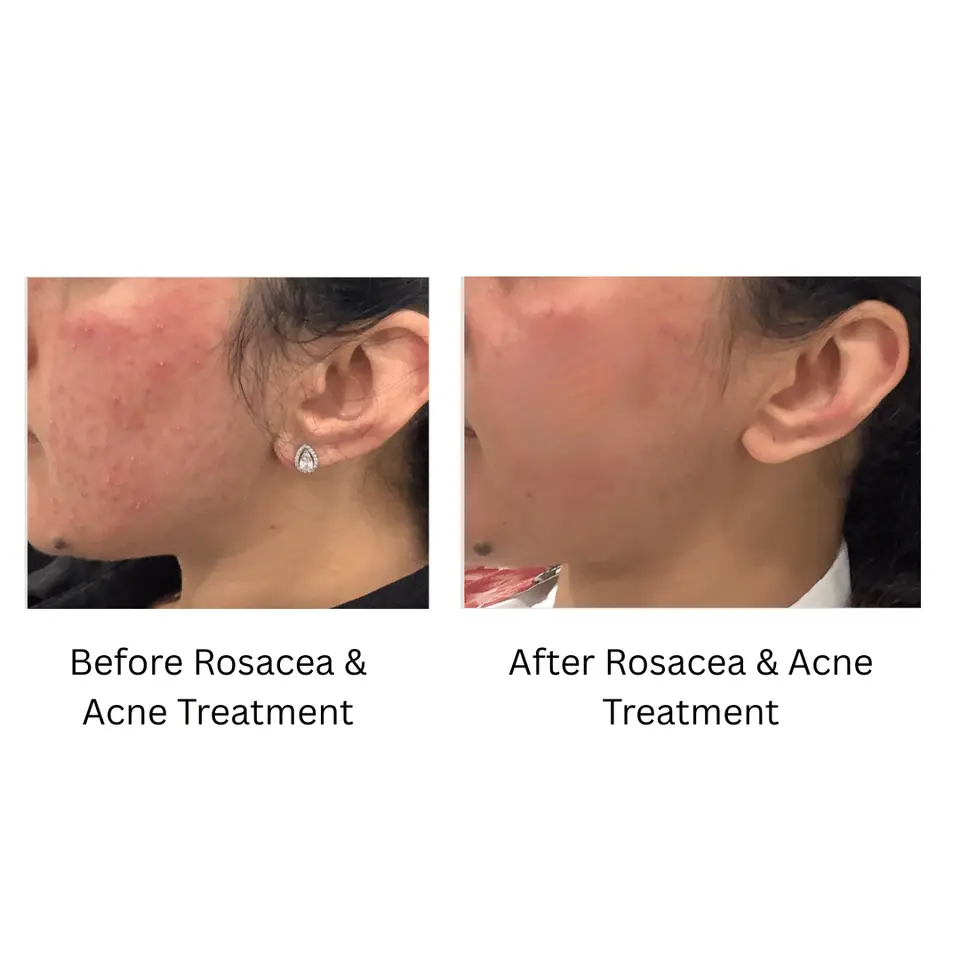
Rosacea treatments at our clinic
We use a combination of medical and advanced skin treatments to manage rosacea and improve skin health.
- Cold plasma therapy – a non-thermal, non-invasive treatment that helps calm redness and inflammation while improving the skin barrier.
- Skin boosters and mesotherapy – deliver hyaluronic acid, vitamins and skin-rejuvenating ingredients to improve hydration, comfort and skin quality while supporting barrier repair.
- Custom skincare – carefully selected products that strengthen the skin barrier, reduce sensitivity, improve hydration and minimise irritation.
- Oral and topical medications – where appropriate, prescription medications may be recommended to reduce inflammation, control flare-ups and manage papules and pustules, following a full medical assessment.
- Diet and lifestyle guidance – we work with you to identify personal triggers and provide practical advice to help reduce flare-ups.
What is rosacea?
Rosacea is a chronic inflammatory skin condition that most commonly affects the central areas of the face, including the cheeks, nose, chin and forehead. About 5 to 10% of the population experiences rosacea symptoms, and it is most common in women aged 30 and older.
It often begins with episodes of facial flushing before progressing to more persistent redness, visible blood vessels and, in some cases, acne-like bumps. Rosacea is not contagious or caused by poor hygiene, and early diagnosis and treatment can help minimise symptoms.
Causes and triggers
The root cause of rosacea is not fully understood, but it is believed to result from a combination of genetic, environmental and immune-related factors. Common triggers include:
- Sun exposure
- Hot or cold weather
- Spicy foods
- Alcohol
- Hot drinks
- Emotional stress
- Vigorous exercise
- Certain skincare products
- Hormonal changes
Signs and symptoms
Rosacea symptoms vary from person to person but commonly include:
- Persistent redness across the cheeks, nose, forehead or chin
- Frequent flushing
- Visible blood vessels (thread veins)
- Sensitive or easily irritated skin
- Burning or stinging sensations
- Dry, rough or flaky skin
- Acne-like spots and bumps
- Episodes of worsening symptoms followed by calmer periods
Types of rosacea
Rosacea can present in several forms, and some people experience features of more than one type.
- Erythematotelangiectatic rosacea – persistent redness and flushing, often linked with dilated blood vessels.
- Papulopustular rosacea – often mistaken for acne, with acne-like bumps and redness.
- Phymatous rosacea – a less common form that causes skin thickening, most often around the nose.
- Ocular rosacea – affects the eyes, causing dryness, irritation, redness and discomfort; eye symptoms need prompt medical assessment.
Questions patients ask
Can rosacea be cured?
What is the best treatment for rosacea?
What triggers rosacea flare-ups?
Is rosacea the same as acne?
Can I wear make-up if I have rosacea?
Is rosacea treatment suitable for sensitive skin?
Fee
 You’ll see Dr Rinku Ratti
GMC-registered GP · GMC 6077630
Not sure this is the right entry?
Our team will help you choose the most appropriate appointment.