Skin Concerns
Sun Damage & Age Spots
Sun damage is one of the most common causes of premature skin ageing, leading to pigmentation, uneven skin tone, rough texture and the development of age spots. We offer advanced, doctor-led treatments designed to reverse visible sun damage, restore skin clarity and improve overall skin health.

Reverse sun-damaged skin with Dr Rinku Ratti
Sun damage often develops gradually over many years, which means effective treatment requires a structured, long-term approach. During your initial consultation, Dr Rinku will assess your skin in detail and identify the type and depth of pigmentation present.
From this, she will create a bespoke treatment plan – age spot treatments often work best as a combination approach and may need maintenance over time – focused not only on improving existing damage but also preventing further pigmentation from developing.
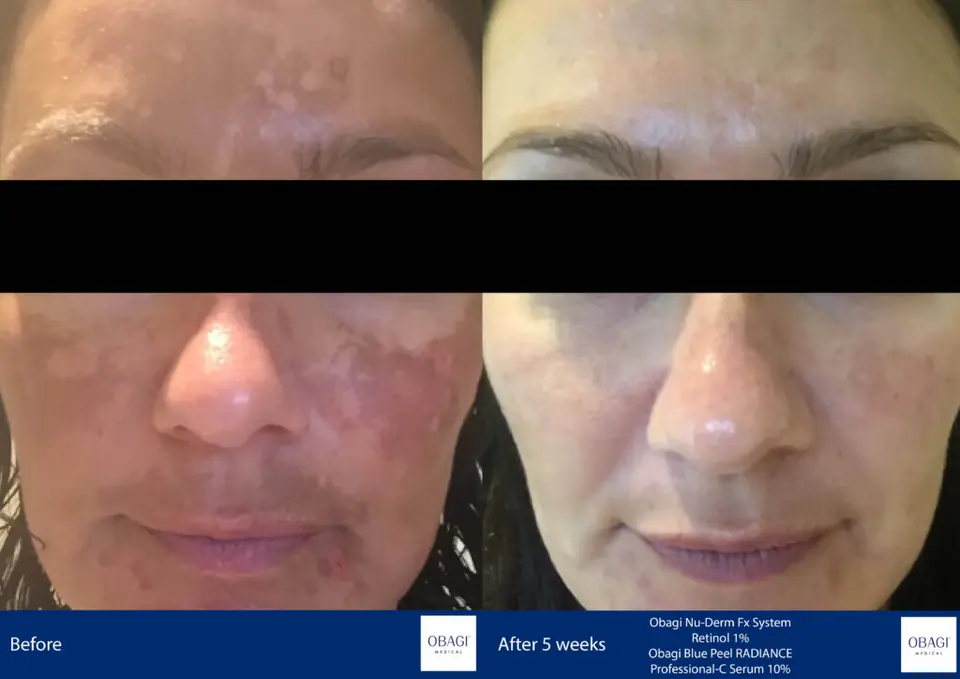
Sun damage treatments at our clinic
We use a combination of advanced aesthetic treatments to target sun damage, pigmentation and uneven skin texture.
- Chemical peels – medical-grade peels exfoliate damaged skin cells and stimulate controlled skin renewal, helping fade age spots and reduce pigmentation for a brighter complexion.
- Skin boosters – injectable treatments designed to deeply hydrate and improve the overall quality of the skin.
- Microneedling – stimulates natural collagen and elastin production, encouraging cell turnover to reduce pigmentation and smooth uneven texture.
- Medical-grade skincare – carefully selected products, including prescribed topical actives such as retinoids, to reduce pigmentation, support skin renewal and protect against further UV damage.
What is sun damage?
Sun damage refers to the cumulative effects of ultraviolet (UV) radiation on the skin over time. UV rays accelerate the breakdown of collagen and elastin, leading to premature ageing, while also triggering excess melanin production, which results in dark spots and uneven pigmentation.
Although sun damage is extremely common, it can be effectively treated and improved with the right combination of professional treatments and preventative skincare.
Causes of skin damage
Common contributing factors include:
- Prolonged sun exposure without SPF
- History of sunburn
- Tanning (sunbeds or natural sun exposure)
- Outdoor lifestyle or occupational exposure
- Ageing and reduced skin repair function
- Lack of consistent sun protection
- Genetic predisposition to pigmentation
Signs of skin damage
These changes are most commonly seen on sun-exposed areas such as the hands, face, neck and chest:
- Flat light-brown or darker patches (age spots)
- Uneven skin tone
- Freckles that become darker or more widespread
- Dull or tired-looking complexion
- Rough or uneven skin texture
- Fine lines and premature wrinkles
- Loss of skin elasticity
- Enlarged pores
Preventing further damage
Daily use of broad-spectrum SPF 30+ is the most important step in protecting the skin from further UV damage and helping prevent future age spots. Limiting sun exposure during peak hours, wearing protective clothing and avoiding tanning beds can further reduce the risk of new pigmentation developing.
Dr Rinku will provide personalised advice on how to protect your skin and maintain long-term results following treatment.
Questions patients ask
Can sun damage be reversed?
Are age spots dangerous?
Can sun damage cause wrinkles?
Is sun damage treatment painful?
Can I prevent age spots from coming back?
Fee
 You’ll see Dr Rinku Ratti
GMC-registered GP · GMC 6077630
Not sure this is the right entry?
Our team will help you choose the most appropriate appointment.